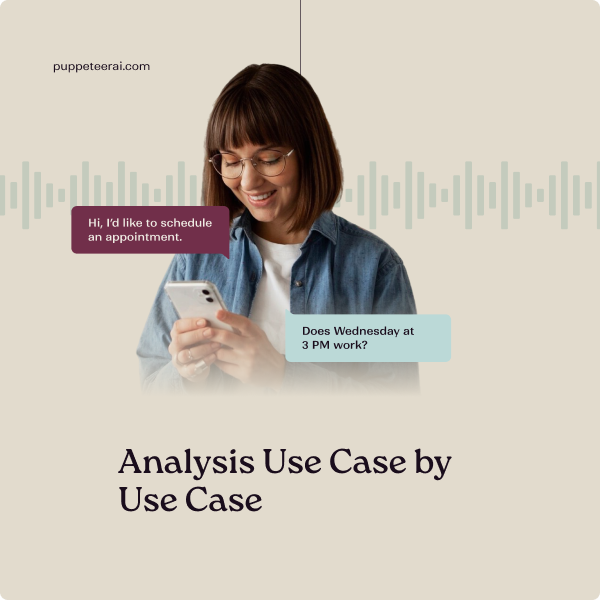
How to Reduce Patient No Shows in Clinics and Telehealth


How to Reduce Patient No Shows in Clinics and Telehealth
How to Reduce Patient No-Shows
When clinics look for ways to reduce patient no shows, the conversation often starts with patient behavior. Patients forget appointments, misunderstand instructions, or change plans at the last minute. While these factors are real, focusing on them alone misses the bigger issue. No-show patients become a serious problem only when the clinic’s workflow cannot adapt once an appointment is missed.
Most clinics already use reminders, and reminders do help to some extent. However, they do not solve what happens after a patient no show occurs. The real impact comes from whether the clinic has visibility and time to respond.
Make it easy for patients to cancel or reschedule
One of the most effective ways to reduce patient no shows is to make cancellation and rescheduling simple. When cancellation is difficult, patients who already know they will not attend often do nothing. This turns a manageable cancellation into an unannounced patient no show.
Easy online cancellation increases signal. Even when a patient cancels close to the appointment time, the clinic gains valuable information about the schedule. That information creates an opportunity to act, which does not exist when a patient simply does not arrive.
Understand the difference between a patient no show and a cancellation
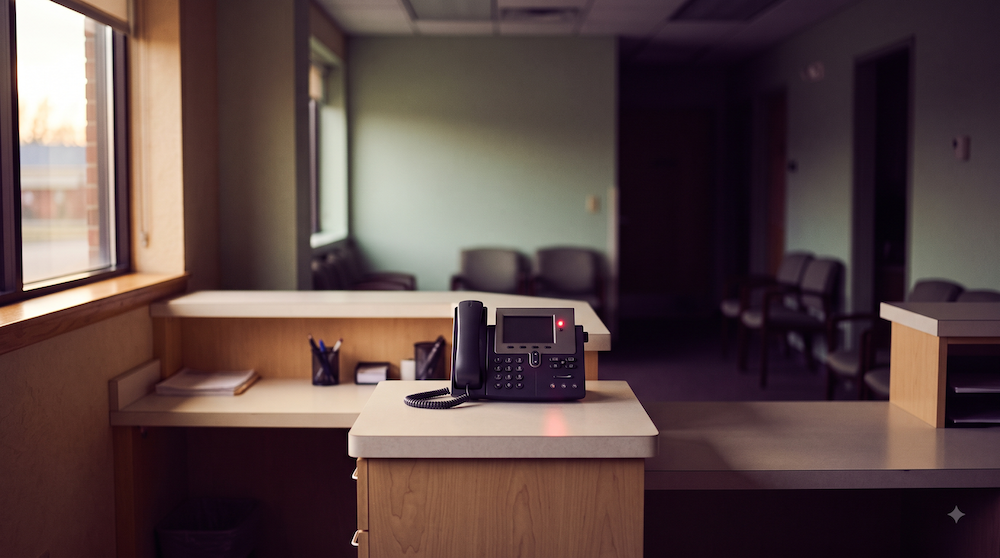
A patient no show and a cancellation are operationally very different. A no show patients scenario leaves the clinic with an empty slot and no warning. A cancellation, even a late one, tells the clinic exactly when an opening exists and how much time remains to fill it.
Clinics that manage no show patients effectively treat cancellations as signals rather than losses. Their workflows are designed to react immediately instead of discovering gaps after the damage is already done.
Backfill appointments to limit the impact of no shows
Backfilling appointments is the most reliable way to reduce the impact of no show patients. This involves offering newly opened slots to patients who are likely to accept them, such as those on a waitlist, patients with flexible availability, or patients already scheduled later.
Speed matters. The longer an opening remains unfilled, the less likely it is to be recovered. Manual processes often cannot move fast enough, especially in busy practices where staff are managing multiple tasks at once.
Use automation to support recovery, not just reminders
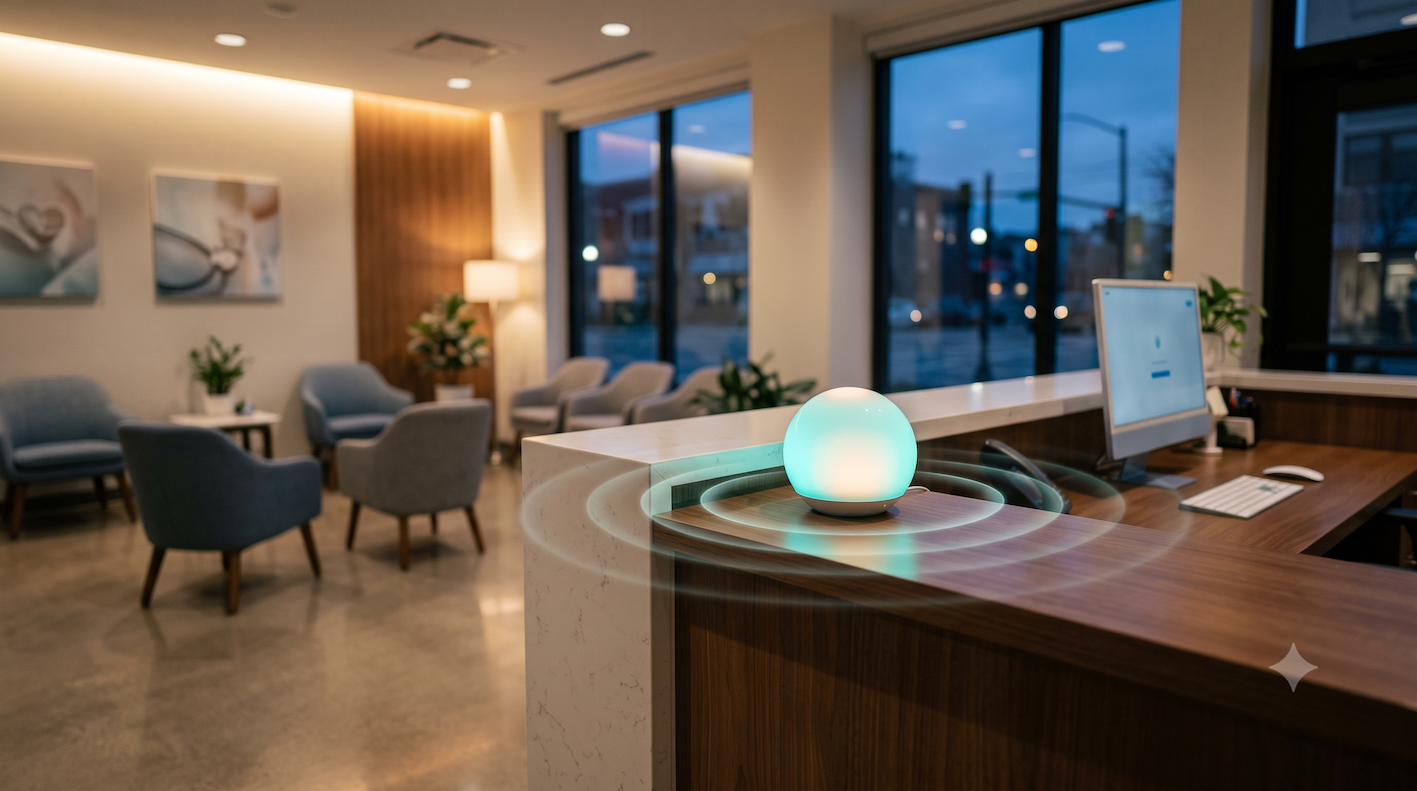
Automation is most effective when it supports the recovery workflow rather than simply sending more reminders. Systems that detect cancellations in real time, identify eligible patients, reach out automatically by text or phone, and update the schedule once a slot is confirmed significantly reduce the operational burden.
For clinics offering virtual care, this is also where telehealth software reduce patient no-shows. When telehealth systems are connected directly to scheduling and communication workflows, they can respond to cancellations just as quickly as in-person clinics. Tools like Puppeteer AI focus on this execution layer, operating inside existing systems to backfill appointments without staff intervention.
Focus on recovery to truly reduce patient no shows
The goal is not to eliminate every patient no show. Missed appointments will continue to happen for reasons outside a clinic’s control. The goal is to prevent those no shows from turning into lost hours and disrupted clinic days.
Clinics that prioritize easy cancellation and fast backfilling consistently reduce patient no shows in practice, even if cancellation rates remain similar. By treating no show patients as a predictable input rather than an exception, clinics gain more stable schedules, lower staff stress, and better use of clinical capacity.
Let’s build your next care agent together
Get a 20-minute call with our team to explore how Puppeteer AI can support your clinical workflows with custom AI agents.


Last Articles


Real Usecases, Real Results
See how healthcare teams use Puppeteer AI to automate patient conversations, reduce workload, and deliver better care, from intake to reactivation.