AI Patient Intake Forms - Updated Insights 2026


AI Patient Intake Forms - Updated Insights 2026
The Digital Front Door: How AI is Revolutionizing the Patient Intake Experience
In 2026, the healthcare industry is undergoing a silent but profound transformation. The "digital front door"—the very first interaction a patient has with a provider—is being rebuilt. Gone are the days of balancing a clipboard on one's knee while filling out a redundant patient intake form. In its place, ai patient intake systems are streamlining workflows, improving data accuracy, and restoring the human element to medicine.
The End of the Paper Trail: Rethinking the Intake Form
For years, the standard intake form was a source of friction. Patients found them tedious, and staff found them difficult to read and even harder to transcribe. The shift toward patient intake ai has turned this administrative hurdle into a strategic asset.
Modern patient intake forms are no longer static PDFs or printed sheets. They are intelligent, cloud-based interfaces that communicate directly with Electronic Health Records (EHR). When a patient interacts with these systems, the software performs several high-level tasks simultaneously:
- Identity Verification: AI cross-references government IDs with insurance databases in seconds.
- Data Deduplication: The system recognizes if a patient has provided information at a sister clinic, pre-populating fields to save time.
- Clinical Flagging: If a patient enters a high-risk symptom (like chest pain or sudden vision loss), the system can immediately alert the triage nurse before the patient even sets foot in the clinic.
The Conversational Shift: The Patient Intake Chatbot
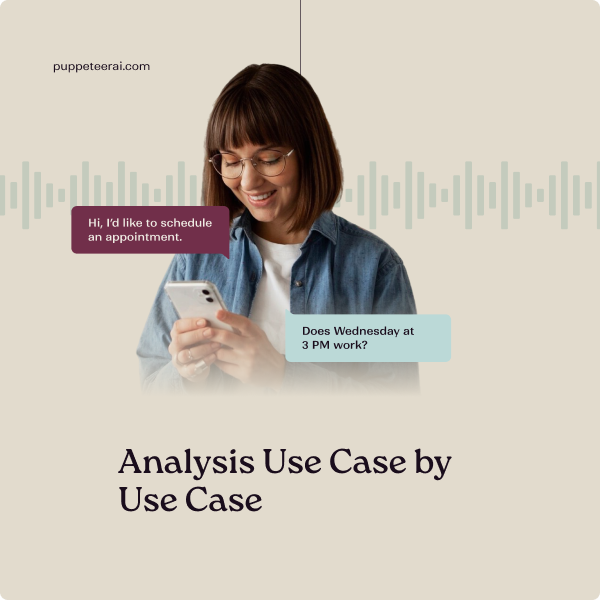
One of the most user-friendly developments in this space is the patient intake chatbot. Many patients, particularly those in rural areas or those with limited digital literacy, find long forms intimidating. A chatbot breaks the process down into a natural, guided conversation.
A patient intake chatbot offers several advantages over a traditional digital form:
- Accessibility: Patients can complete their intake via SMS, WhatsApp, or a web browser using voice-to-text features.
- Symptom Mapping: Instead of checking a box for "abdominal pain," the AI can ask follow-up questions: "Is the pain sharp or dull?" "When did it start?" This provides the physician with a detailed history of the present illness (HPI) before the appointment begins.
- Anxiety Reduction: By explaining why certain questions are being asked, the chatbot can make the process feel less like an interrogation and more like a consultation.
Operational Excellence and Provider Wellness
The impact of ai patient intake extends far beyond the waiting room. Healthcare providers are currently facing a "burnout epidemic," much of which is driven by "pajama time"—the hours doctors spend at night catching up on data entry.
By automating the patient intake ai workflow, clinics can see more patients per day without increasing the stress on their staff. When the data from the intake form flows seamlessly into the doctor’s notes, the physician can spend their time looking at the patient rather than a computer screen.
Security, Privacy, and the Human Touch
As with any advancement in patient intake forms, security is paramount. In 2026, these AI systems are built with "Privacy by Design," using advanced encryption and strict HIPAA compliance to ensure that sensitive medical data remains between the patient and their provider.
Furthermore, the goal of ai patient intake is not to replace human interaction, but to facilitate it. By removing the mechanical, repetitive tasks of the intake form, we allow healthcare workers to do what they do best: provide empathy, expert judgment, and personalized care.
The Path Forward
The transition to AI-driven systems is no longer a luxury for "tech-forward" hospitals—it is a necessity for any practice looking to remain competitive and patient-centric. As these tools continue to evolve, the boundary between "administrative task" and "clinical care" will continue to blur, creating a faster, smarter, and more compassionate healthcare system for everyone.
Let’s build your next care agent together
Get a 20-minute call with our team to explore how Puppeteer AI can support your clinical workflows with custom AI agents.



Last Articles



Real Usecases, Real Results
See how healthcare teams use Puppeteer AI to automate patient conversations, reduce workload, and deliver better care, from intake to reactivation.